
Every Carson City Shorts competition ends with the same exciting question: What will the judges think? While there’s no magic formula for making an award-winning short, our returning judges have watched a lot of films over the years. They’ve seen incredible performances, clever uses of our required prompts, ambitious ideas that paid off, technical wizardry, and, yes, more than a few filmmaking mistakes that tend to pop up again and again. So, as our Carson Creepy filmmakers prepare to receive their prompts and start the two-week clock, we decided to go straight to the source. We asked several of our returning judges what catches their attention, what separates a good short from a great one, what they wish filmmakers would pay more attention to, and what advice they’d give a team about to make a movie in just two weeks. Here’s what they had to say!

Meet Jessica Johnson!
Jessica Johnson is a professor at TMCC, teaching their screen acting, film production, and theater courses. She has her Masters of Arts from Chapman University and lived and worked in Hollywood for seven years.
When you sit down to watch a Carson City Shorts entry, what is the first thing that tends to grab your attention?
I look for the hook. Most compelling shorts begin with an excellent visual hook or story beat that immediately jettisons us into the world of the story, tells us the basic details of our main character that we need to know, and makes us hungry for more!
What separates a good short film from a great short film for you?
I look for the visual storytelling elements above all else. What separates film from any other medium is its ability to tell a story without words. Great dialogue goes a long way, but it’s the film’s ability to tell us everything we need to know silently that really separates the good from the great.
What is one mistake or weakness you see repeatedly in competition films that you wish filmmakers would pay more attention to?
I think the biggest mistake I see again and again is lacking sound quality. Sound is one of the most difficult departments on a film to get absolutely perfect, but if we can’t hear the necessary information communicated through dialogue, there is so much missing from a film. Either pivot to increased emphasis on telling your story visually rather than through dialogue, or allow for extra time in planning your means of recording dialogue on set and mixing the levels properly in post-production.
What makes a performance stand out to you when you’re judging acting?
An actor that can tell us how they feel through precise micro-expressions is truly worth a thousand words. As a filmmaker, allowing your actors enough time for reaction shots is also what can separate a good film from a great film. We, the audience, rely on expressions and visual cues from your characters to judge how we are supposed to feel about a character or what we are meant to intuit.
A strong lead will be able to perform with levels relative to the size of their frame without losing energy. Keeping a consistent energy despite long days and continuous takes is key.
When judging technical categories such as cinematography, editing, sound or music, what makes you think, “They really knew what they were doing here”?
Compelling framing where each frame could stand alone as a photographic work of art, dynamic camera movement, well-paced editing, and sound that feels balanced and supports the scene all contribute to a well-made production.
What makes a creative use of the required prompts stand out?
I appreciate most prompts that feel essential to the story. To merely have a character holding a hair dryer if a prop prompt calls for a hair dryer qualifies, but feels a little like an afterthought. Having a prompt incorporated in a really clever, seamless way makes much more of a difference to me as a judge.
Think about the Carson City Shorts films you’ve scored highly in the past. Without necessarily naming a specific film, what did the best ones have in common?
My favorite films include a great story first and foremost, followed by an attention to detail and clear effort made in production value.
If you could give this year’s filmmakers just ONE piece of advice before they receive their prompts and start the two-week clock, what would it be?
The stronger your pre-production is, the better your film will be. Prioritize your tasks and manage your time wisely, but the more work you put into your writing, storyboarding and planning, the easier your production will be and the better your end product.

Meet Sean Mick!
Sean Mick is a produced, award-winning screenwriter specializing in reinvented genre. He teaches screenwriting at Western Nevada College through the Continuing Education program and takes immense satisfaction sharing his craft with writers of all levels. A confirmed movie “geek,” he’ll watch just about anything… as long as it has a good story.
When you sit down to watch a Carson City Shorts entry, what is the first thing that tends to grab your attention?
The opening image. Film is a visual medium. Show, don’t tell. Show me the world I’m about to enter, who lives there, and whet my appetite for how they will change over the course of the film.
What separates a good short film from a great short film for you?
As a writer, for me: Character + Plot = Story. A great film gives me characters I can engage with (even if I don’t “like” them), thrust into a compelling situation where they MUST take action — not “decide” to take action. Characters who “decide” to do something are weak because they can just as easily decide not to. They must have a goal and there must be stakes attached to the choices they make while trying to achieve it — what will happen if they do “X” and, more importantly, what will happen if they don’t?
What is one mistake or weakness you see repeatedly in competition films that you wish filmmakers would pay more attention to?
Poor editorial choices. Film that are badly structured and/or paced that don’t justify their running time; usually due to shots or scenes where “nothing” happen — they repeat information we don’t need, don’t develop the characters, and don’t drive the story forward. You need to be ruthless. Just because the contest allows a film to be nine minutes long doesn’t mean it SHOULD be (and, respectfully, most of the films that use the full running time — shouldn’t). When in doubt, cut it out.
What makes a performance stand out to you when you’re judging acting?
For me, the best performances happen when the actor draws me into the film by allowing me to experience their character’s emotions along with them. A consistent drawback in many films is “flat” acting; either due to lack of experience (which can be forgiven) or a lack of range by more “experienced” actors (which I find more problematic). Those performers seem focused on fancy line deliveries or going for the “big” moment instead of just developing their character. Film acting is reacting and less is usually more. A performance doesn’t need to be “perfect” or even “big” to be successful. It has to be real.
When judging technical categories such as cinematography, editing, sound or music, what makes you think, “They really knew what they were doing here”?
For me, as a long-time film “geek,” the occasional shot, camera angle, edit, or piece of music that makes me go “wow” makes a film a lot of fun. But, in a perfect world, all of those elements ultimately have one goal: to tell the STORY. I know I’m in good hands when I forget fancy techniques and get lost in the tale they’re telling.
What makes a creative use of the required prompts stand out?
I prefer prompts be integrated into the story as naturally as possible, even if they’re not central to the plot. I don’t like the “product placement” approach (i.e. “This short was brought to you by Spam”). And the line of dialogue needs to be word for word, not paraphrased. Having said that, sometimes a prop or line is just so goofy or off-the-wall that you just have to go for the laugh — and I get that.
Think about the Carson City Shorts films you’ve scored highly in the past. Without necessarily naming a specific film, what did the best ones have in common?
They drew me into a world through a solid plot, a tight script with crisp dialogue and interesting characters. A strong cast with believable performances. Their films were tightly edited and shot, with a good feel for mood and pacing, and they engaged my emotions through humor, drama, or both. In other words, they told me a great STORY with a beginning, middle, and end.
If you could give this year’s filmmakers just ONE piece of advice before they receive their prompts and start the two-week clock, what would it be?
WRITE A SCRIPT! A well-structured screenplay with a solid beginning, middle, and end is a must (“Screenplays ARE Structure” William Goldman). It will save you both time and money because solving story/character problems on the page is easier and cheaper than solving them on the set. Use proper format. It’s more professional and a properly-formatted script page = approximately a minute of film. And, for this kind of competition, knowing your running time BEFORE you start shooting will give you a huge leg up toward creating a successful film.
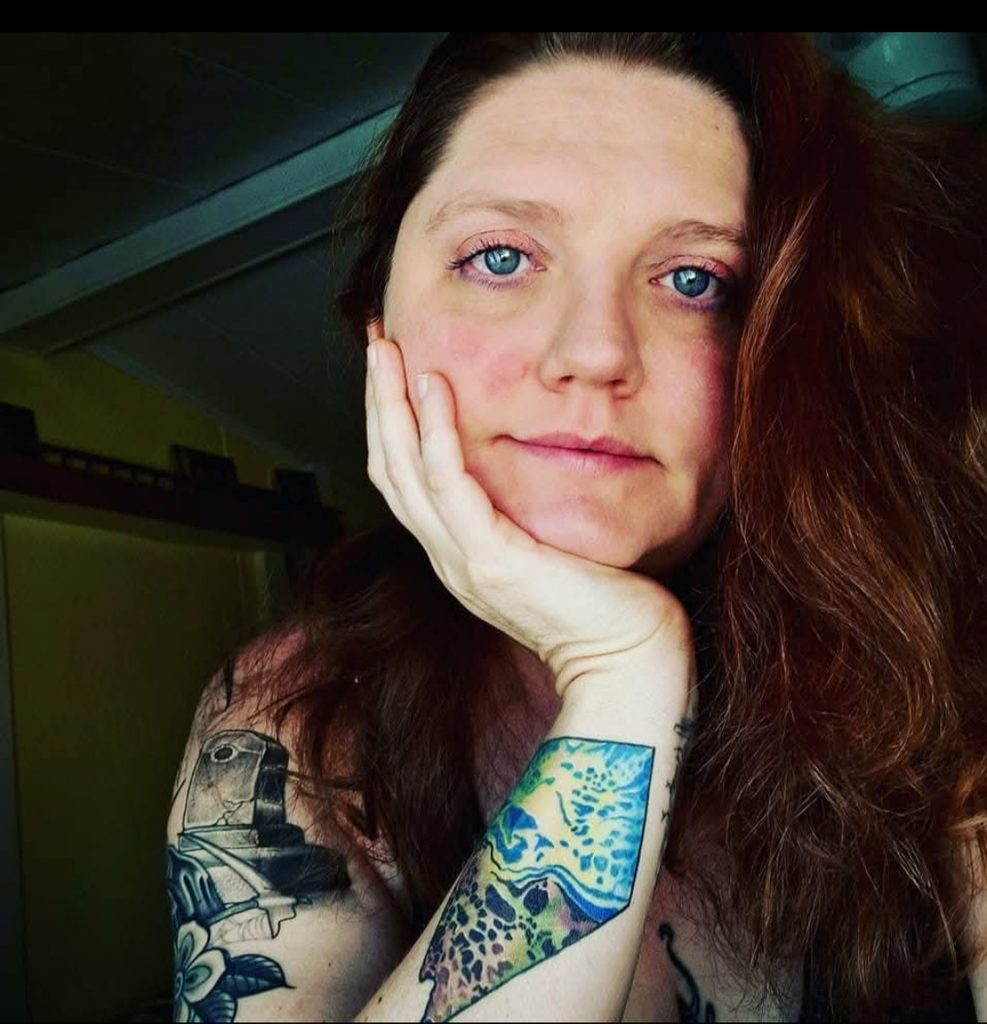
Meet Jamie Woodham!
Hello Filmmakers! I’m Jamie the Engagement Director at the Brewery Arts Center in Carson City. My background stems from theatre, radio, voice over, local film making, stage management and most things arts, festivals, and events!
When you sit down to watch a Carson City Shorts entry, what is the first thing that tends to grab your attention?
I’m looking for strong acting and quality scripts. I know it’s a short amount of time but a prepared actor with great lines always shines. Does the opening scene grab me an pull me in?
What separates a good short film from a great short film for you?
Tight and smart editing choices. Know when to cut. A long scene ( especially in a short film ) doesn’t alway mean a quality scene. Keep up the pace and really chose those “moments” that need to stay in the film.
What is one mistake or weakness you see repeatedly in competition films that you wish filmmakers would pay more attention to?
Sound!!! If I can’t hear it, it’s going to be hard to give an accurate review.
What makes a performance stand out to you when you’re judging acting?
Preparedness and honesty. Did the actor understand the goal of the character’s journey and did they know the lines. Are they connecting with their fellow actors in the scene?
When judging technical categories such as cinematography, editing, sound or music, what makes you think, “They really knew what they were doing here”?
Smooth transitions, understanding color theory, lighting and mood plus consistent volume levels.
What makes a creative use of the required prompts stand out?
You can definitely tell when a team has just thrown the prompt in last minute because they “had” to and when it is seamlessly or subtly woven in. This is one of my favorite categories to apply the “less is more” technique.
Think about the Carson City Shorts films you’ve scored highly in the past. Without necessarily naming a specific film, what did the best ones have in common?
Strong performances and tight editing. The point of the script was conveyed clearly in less than the allotted time limit.
If you could give this year’s filmmakers just ONE piece of advice before they receive their prompts and start the two-week clock, what would it be?
Do some rehearsal time with your actors before you shoot, and don’t be afraid to cut/edit! Ok that’s 2…I should take my own advice!

Meet Taylor Wilson!
Taylor Wilson is a filmmaker, writer, and longtime member of the Silver State Storytellers team. His production experience spans cinematography, lighting, editing, sound, screenwriting, and live production, and he has worked both behind the camera and in post-production on independent short films. Taylor is also a co-host of Studio C5, where he explores film history and the craft behind the movies. Having participated in Carson City Shorts competitions himself, Taylor brings both a filmmaker’s eye and firsthand understanding of the two-week filmmaking challenge to the judges’ panel.
When you sit down to watch a Carson City Shorts entry, what is the first thing that tends to grab your attention?
Captivating opening – good cinematography, good sound design (scoring, quality dialogue audio). Something that catches my attention and makes me want to know more about the world that’s going to be shown – maybe it’s fun, pretty or just “OMG what’s going to happen?”.
What separates a good short film from a great short film for you?
Great storytelling. A good film checks all the technical boxes but a great film launches something thought provoking and captivating. If it leaves me with something to think about after the film is over, that, to me, is a great film.
What is one mistake or weakness you see repeatedly in competition films that you wish filmmakers would pay more attention to?
Dialogue audio. When I have to struggle to hear what a character is trying to say, I’m taken out of the story and just want to fix the audio.
What makes a performance stand out to you when you’re judging acting?
Genuineness and levels (and that often takes good writing, too). When an actor can shift from emotion to emotion seamlessly or build on an emotion in a natural way, that makes for a great performance. Good acting evokes my empathy and when that happens, I feel just that much more connected to the performance.
When judging technical categories such as cinematography, editing, sound or music, what makes you think, “They really knew what they were doing here”?
It varies based on the category – great editing is about creating a great story that flows, makes sense and builds the emotional context of the movie, whether it be building fear, suspense, drama, comedy. Great cinematography evokes the emotional context of the story – great color and use of angles that makes every moment of film a great photo makes for truly remarkable cinematography (thinking Stanley Kubrick here). Great scoring serves as a mechanism to setup the emotional context of the film without taking focus from the story. All of the categories should fit together and make a great film greater than the sum of its categorical parts.
What makes a creative use of the required prompts stand out?
Standout prompts are either unexpected, cleaver or just hilarious.
Think about the Carson City Shorts films you’ve scored highly in the past. Without necessarily naming a specific film, what did the best ones have in common?
The best films from the past stand out when they are engaging, well paced, great storytelling and, of course, show off great technical capabilities. Some have been funny others have been thought provoking and yet others have been horrifying. Overall, the best films show a great integration between technical skill, great storytelling, standout acting and give a sense of cohesion/focus.
If you could give this year’s filmmakers just ONE piece of advice before they receive their prompts and start the two-week clock, what would it be?
Plan your time. Good storytelling takes rewrites, good acting takes read-throughs and rehearsals, good shooting takes time and patience and good editing/fixing takes even more time. The workflow of a film is complicated and, again, takes time. Planned pacing with the allotted time can allow thoughtful and careful execution through the filmmaking process. Also, just make sure the dialogue audio is clear and balanced – even if scenes need audio re-recording.
If there’s one thing we hope you take away from our judges’ advice, it’s that there is no secret formula for winning Carson City Shorts. Our judges aren’t looking for the biggest budget, the fanciest camera, or the most elaborate production. They’re looking for a film that knows what it wants to be and makes thoughtful choices in getting there. Tell a story. Pay attention to your sound. Give your actors something to work with. Use your prompts creatively. Take some risks. And, perhaps most importantly, finish the movie. Whether you’re about to enter the big top for Carson Creepy or gearing up for a future Love Notes or Moon Rocks competition, take the advice that speaks to you, gather your team, and make something you’re proud to put on the big screen. We can’t wait to see what you create!
